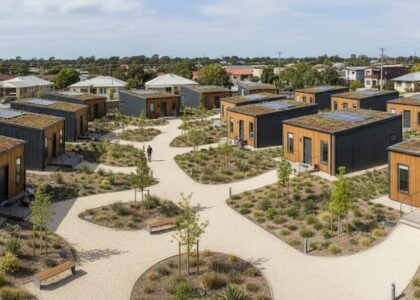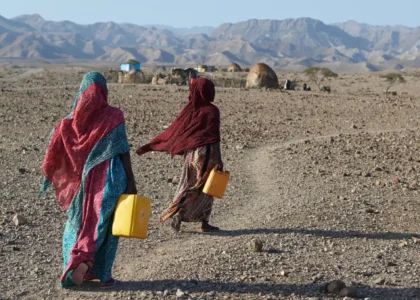
As climate risks intensify around the world, millions of households — especially in vulnerable regions — face mounting challenges in accessing safe, durable, and affordable housing. Traditional housing finance systems are no longer sufficient. They rarely account for climate exposure, long-term resilience, or the rising cost of adapting dwellings to withstand extreme heat, floods, storms, and water scarcity.
To close this gap, new climate-resilient housing finance models are emerging — blending innovation, inclusivity, and risk mitigation.
1. Why Climate-Resilient Housing Requires New Financial Approaches
Conventional mortgage and credit schemes often overlook the additional costs associated with:
- Passive cooling and insulation
- Low-carbon, durable materials
- Water-saving systems
- Flood or heat protection measures
- Off-grid energy or storage solutions
As a result, climate-resilient homes remain inaccessible for low- and middle-income households, even though these groups are most impacted by climate change. Effective finance models must therefore prioritize affordability, long-term savings, and risk reduction.
2. Key Climate-Resilient Housing Finance Models
a. Green Mortgages and Preferential Loans
Banks and housing funds can offer:
- Reduced interest rates
- Longer repayment periods
- Higher lending ceilings
for homes that meet certified climate-resilience standards.
These incentives encourage homeowners and developers to invest in energy-efficient and water-smart features.
b. Resilience Retrofit Microfinance
Small loans targeted at upgrading existing homes — rather than building new ones — can support:
- Roof insulation
- Heat-reflective materials
- Rainwater harvesting systems
- Greywater recycling
Microfinance providers and community banks play a vital role in reaching vulnerable households in informal settlements.
c. Public–Private Blended Finance
Governments, donors, and private investors jointly fund resilience-focused housing programs.
This model works by:
- Reducing investment risk
- Lowering capital costs
- Leveraging private-sector scale
It is especially effective for large projects such as social housing or climate-adapted community developments.
d. Insurance-Linked Housing Finance
Innovative schemes link home loans with climate risk insurance.
Benefits include:
- Reduced premiums for resilient construction
- Faster post-disaster recovery
- Better protection for lenders and homeowners
Such models make resilience financially rewarding rather than burdensome.
e. Pay-As-You-Save (PAYS) and Utility-Integrated Models
Utilities or municipalities fund climate-smart improvements for households, and residents repay gradually through utility bills — but only from the savings generated.
This makes resilience upgrades cost-neutral for low-income families.
3. Supporting Tools for Scalable, Inclusive Finance
Climate Risk Assessments
Used by banks to properly value resilient homes and reduce loan risk.
Certification Frameworks
Clear standards for resilient design help lenders identify qualifying projects.
Digital Platforms
Mobile applications and e-wallet systems expand access to microloans and insurance in remote or informal communities.
4. Broader Benefits of Climate-Resilient Housing Finance
Scaling these models generates far-reaching benefits:
- Lower long-term costs for households
- Reduced economic losses from climate shocks
- Health and comfort improvements
- Stronger national resilience and SDG alignment
- Job creation in construction, materials, and green technologies
By shifting the financial burden from individuals to collaborative, risk-sharing systems, countries can make resilience both affordable and achievable.
Conclusion
Climate-resilient housing finance is not just a policy innovation — it is a foundational tool for protecting vulnerable communities, stabilizing national economies, and supporting sustainable urban growth.
With the right mix of incentives, partnerships, and financial instruments, governments and institutions can unlock a future where every household — regardless of income — has access to safe, climate-ready housing.