FutureArch is an international, non-governmental organisation dedicated to strengthening climate-resilient housing, cities, and infrastructure in arid and water-stressed regions across the Middle East, Africa, and South Asia.
We work at the intersection of policy, research, engineering, finance, and social development to support governments, development agencies, and communities build safer, inclusive, and climate-adaptive urban futures.
Our work advances the United Nations Sustainable Development Goals, with a particular focus on
Through SDG: ARCH – the Alliance for Resilient Cities and Housing, we unite experts, institutions, youth networks, and local authorities to address some of the most urgent urban challenges of our time.
FutureArch is an international, non-governmental organisation dedicated to strengthening climate-resilient housing, cities, and infrastructure in arid and water-stressed regions across the Middle East, Africa, and South Asia.
We work at the intersection of policy, research, engineering, finance, and social development to support governments, development agencies, and communities build safer, inclusive, and climate-adaptive urban futures.
Our work advances the United Nations Sustainable Development Goals, with a particular focus on
Through SDG: ARCH – the Alliance for Resilient Cities and Housing, we unite experts, institutions, youth networks, and local authorities to address some of the most urgent urban challenges of our time.
FutureArch is an independent, non-profit organisation committed to developing climate-resilient housing and sustainable urban systems in arid and water-scarce regions.
FutureArch combines global research with practical, On-the-ground environmental and climate action solutions and project management.
Award Wining
To advance climate-adaptive housing and urban development through research, innovation, capacity-building, and partnership—ensuring every family in arid regions has access to safe, resilient, and dignified living conditions.
A world where cities in arid and water-stressed environments are inclusive, well-governed, environmentally sustainable, and protected against climate risks.
• Equity: Housing as a human right
• Integrity: Evidence-based, transparent, accountable
• Partnership: Working with communities, governments, and global institutions
• Resilience: Preparing cities for long-term climate and economic shocks
• Sustainability: Designing solutions that endure
FutureArch works across four strategic pillars that reflect the AJS Sustainable Housing Delivery Model:
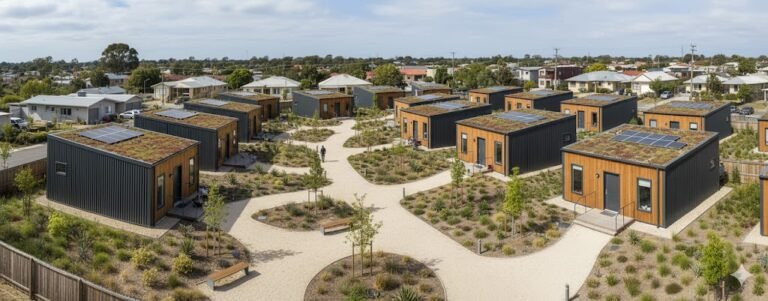
Designing housing that reduces heat exposure, improves water-efficiency, and enhances energy performance.
Supporting cities to adopt climate-sensitive masterplanning and integrated local governance systems.
Strengthening water management, flood protection, stormwater design, and renewable energy integration.
Supporting ministries, municipalities, and NGOs to localise SDGs, strengthen governance, and implement climate-smart regulations.
FutureARCH is a global platform bringing together professionals, researchers, policymakers, and innovators committed to advancing sustainable and climate-resilient development in arid and vulnerable regions.
A certificate, diploma, or degree in sustainability, climate change, environmental management, project management, engineering, architecture, construction, or SDG/ESG-related fields.
At least 5 years of experience in sustainable development, climate resilience, infrastructure delivery, housing and urban projects, environmental policy, project or programme management, PMO/governance, or green finance/ESG implementation.
Significant involvement in government, NGO, community, or research initiatives that advance sustainability or climate action.
• Access to cross-regional learning and best practices
• Opportunities for collaboration across the Gulf, Africa, the UK, and South Asia
• Invitations to webinars, research groups, working teams, and global dialogues
• A voice in shaping policy and practice for climate-sensitive environments
We provide integrated, climate-smart solutions that enhance urban resilience, support sustainable development, and empower cities and communities in arid and climate-vulnerable regions.
• Heat-reducing design
• Passive cooling and insulation
• Affordable low-carbon materials
• Water-smart homes
• SDG-aligned community housing models
• Masterplans for desert and semi-arid cities
• Land use, zoning, and mobility plans
• Informal settlement upgrading
• Digital governance and compliance systems
• Stormwater management
• Wastewater and sanitation
• Water-efficient community systems
• Renewable energy and off-grid solutions
• Policy development for ministries
• Municipal capacity-building
• Workshops, masterclasses, and toolkits
• SDG localisation, indicators, and monitoring
• Research partnerships with universities and international agencies
Cities in arid and semi-arid regions are growing faster than their infrastructure, governance, and housing systems can cope. As climate change intensifies, millions of people are increasingly exposed to extreme heat, water scarcity, displacement, and housing insecurity.
Climate projections show a rise in days exceeding 40–50°C, increasing energy demand, cooling costs, and health risks.
Rapid urbanisation, limited rainfall, and over-extraction place severe pressure on water resources, affecting housing, sanitation, and livelihoods.
Informal settlements expand without services, drainage, or climate-resilient design.
Low-income households face higher exposure to climate impacts and limited access to housing finance.
Many homes are built with inadequate materials, poor insulation, or designs unsuitable for desert climates.
Aging water networks, weak governance, and overstretched municipal systems cannot cope with climate pressures.
Low-income households face higher exposure to climate impacts and limited access to housing finance.
Get the latest climate change impacts news curated by our editors to your inbox and keep up to date with the most pressing issue of our time.