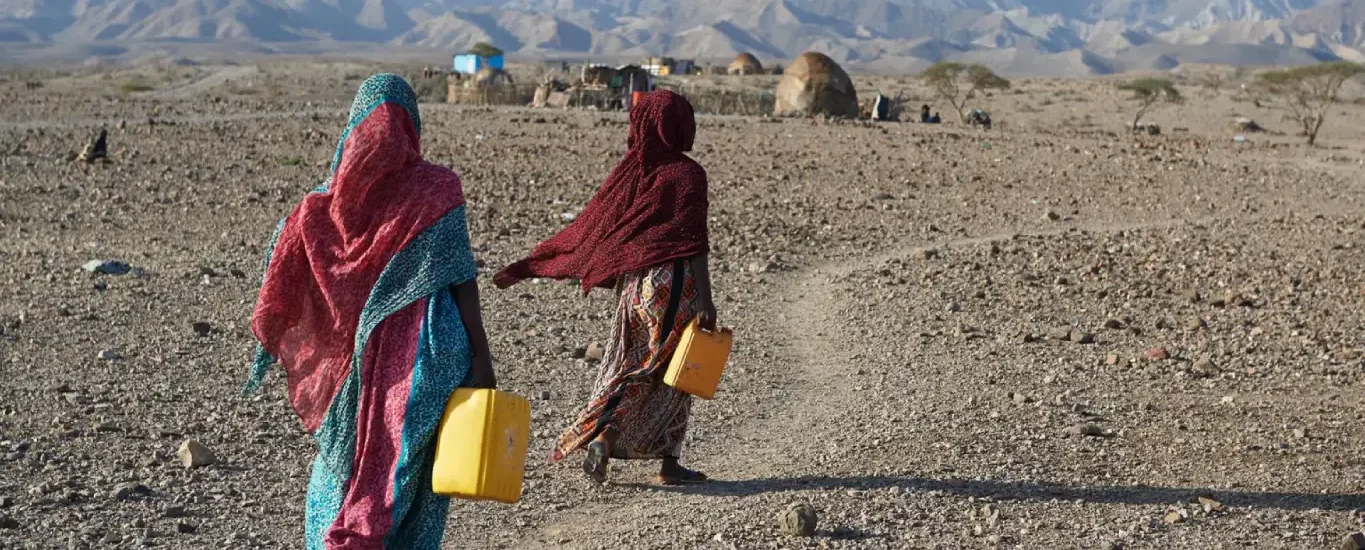
Water scarcity has long shaped life in the Middle East and North Africa, but accelerating climate change, rapid population growth, and urban expansion are putting unprecedented pressure on already limited resources. In a region where many cities receive less than 200 mm of rainfall per year, housing must evolve beyond traditional construction to adopt water-smart strategies that protect households, strengthen resilience, and support national development goals.
1. Why Water-Smart Housing Matters in MENA
The MENA region holds 6% of the world’s population but less than 1% of its freshwater. As aquifers decline and desalination costs rise, homes must become active contributors to water efficiency. Water-smart housing reduces household demand, minimizes losses, and supports more sustainable urban growth — making it a critical pillar of climate adaptation and long-term security.
2. Key Features of Water-Smart Homes
a. Rainwater Harvesting and Storage
Even in low-rainfall environments, distributed rainwater harvesting can supplement supply for:
- Irrigation
- Cleaning
- Emergency reserves
Low-cost rooftop systems and modular underground tanks can significantly reduce municipal water dependence.
b. Greywater Recycling Systems
Up to 60% of household wastewater can be reused safely.
Greywater recycling enables:
- Garden and landscape irrigation
- Toilet flushing
- Lower demand on treatment networks
These systems are especially impactful in water-stressed cities like Amman, Riyadh, and Muscat.
c. Ultra-Efficient Fixtures and Appliances
Integrating smart taps, dual-flush toilets, leak sensors, and low-flow showers can reduce indoor water consumption by 30–50% without compromising comfort.
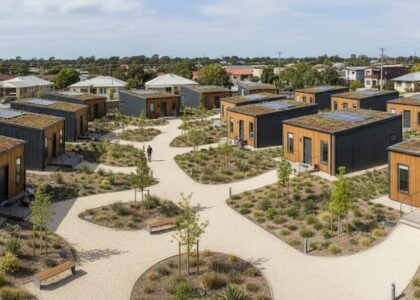
d. Water-Sensitive Landscaping
Homes designed with native, drought-tolerant plants — instead of high-water lawns — can save thousands of litres annually.
Techniques include:
- Drip irrigation
- Mulching
- Shade structures to reduce evaporation
e. Smart Monitoring and Leak Detection
Digital water meters and home monitoring systems help families identify leaks early and track usage patterns, reducing unnecessary loss.
3. Benefits Beyond Water Savings
Water-smart housing delivers broader impacts that support resilience and sustainability across the MENA region:
- Lower utility bills for households
- Reduced pressure on national water grids
- Improved resilience during droughts and service interruptions
- Enhanced property value through modern, sustainable design
- Support for national SDGs, especially SDG 6, SDG 11, and SDG 13
4. The Role of Policy and Urban Planning
For water-smart housing to scale, cities must integrate these solutions into:
- Building codes
- Housing subsidies and incentives
- Municipal water strategies
- Public awareness campaigns
- SDG localisation frameworks
Countries such as the UAE and Jordan are already leading regional efforts, but greater collaboration is needed across the MENA region to accelerate adoption.
Conclusion
Water-smart housing is no longer an optional innovation in the MENA region — it is an essential response to one of the world’s most severe water challenges. By rethinking how homes use, recycle, and conserve water, MENA cities can build a more secure, resilient, and sustainable future for millions of people.