Introduction
Affordable housing has never been a simple technical problem. Over the years, working across the United Kingdom, South Asia, and the Gulf region, it has become clear to me that housing sits at the intersection of policy, finance, governance, environmental risk, and human need. As pressures from climate change, urbanisation, and economic inequality continue to intensify, the way societies plan and deliver housing requires a more integrated and long-term approach.
Professional Journey into Affordable Housing
My own pathway into affordable housing emerged from early professional exposure to housing shortages and infrastructure stress, particularly in rapidly growing urban environments. These experiences led me to pursue doctoral research in Sustainable Development and Housing Finance, where I examined affordability not as a matter of construction cost alone, but as a system shaped by land markets, institutional capacity, financial structures, and political decision-making. That research continues to inform my professional work, which combines policy advice, project-level delivery, and institutional capacity-building.
Regional Perspectives on Housing Challenges
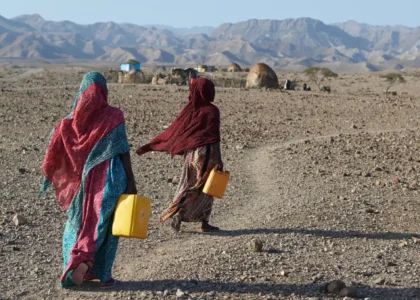
One of the most striking lessons from working across different contexts is that housing challenges vary significantly by region. In the United Kingdom, affordability is constrained largely by high land values, complex planning processes, and viability pressures within the development system. Governance frameworks are relatively strong, but delivery is often slow and highly negotiated. In contrast, across South Asia, housing challenges are shaped by rapid urbanisation, informal land tenure, limited access to housing finance, and uneven regulatory enforcement. At the same time, these environments offer opportunities for scale and innovation when supported by appropriate institutional and financial frameworks. What does not work is the uncritical transfer of models from one context to another. Housing solutions must be designed around local realities.
Public-Private Partnerships in Housing Delivery
Public-private partnerships have become an increasingly important tool in addressing housing shortages, particularly where public resources are constrained. When designed well, they allow governments to contribute land, policy direction, and social objectives, while the private sector brings capital, efficiency, and delivery capability. However, partnerships only succeed where risks are clearly allocated, governance is transparent, and long-term affordability is protected. In my experience, many partnership challenges are institutional rather than financial, often linked to weak contract management, unclear responsibilities, or short-term political pressures.
Integrating Climate Resilience into Housing
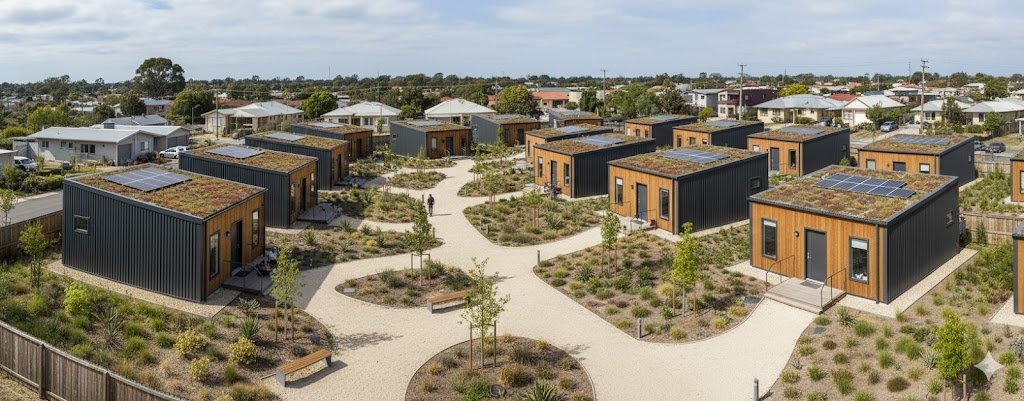
Climate resilience is now an unavoidable dimension of housing delivery. Environmental risk can no longer be treated as a secondary consideration. In practice, this means embedding resilience at the earliest stages of planning and design. Flood risk mitigation, Sustainable Drainage Systems, and climate-responsive layouts must be integral to how housing sites are conceived. On several projects, detailed environmental risk assessment has fundamentally altered site design, drainage strategies, and building orientation. While this can increase upfront design costs, it consistently reduces long-term risk, improves insurability, and strengthens overall project viability.
Balancing Affordability, Sustainability, and Equity
Balancing financial feasibility with sustainability and social equity remains one of the central tensions in housing delivery. Too often, sustainability is framed as an added cost rather than a long-term investment. A lifecycle perspective tells a different story. Energy-efficient design, resilient materials, and robust infrastructure reduce operating costs for households and public authorities over time. When combined with blended finance, targeted subsidies, and supportive policy frameworks, it is possible to maintain affordability while improving quality and resilience.
The Role of Community Engagement
Community engagement is another area where experience has reshaped my thinking. Projects that treat community participation as a procedural exercise often struggle during delivery and operation. By contrast, developments that engage communities early and meaningfully tend to achieve better outcomes, from design relevance to long-term stewardship. Community involvement should be understood as a form of risk management, reducing conflict, delays, and maintenance failures over the life of a project.
Aligning Housing with the Sustainable Development Goals
The United Nations Sustainable Development Goals have provided a useful framework for aligning housing delivery with broader development objectives. In my work, they function less as abstract aspirations and more as a practical reference point for decision-making. Goals relating to sustainable cities, climate action, clean water, and reduced inequalities help structure discussions between governments, donors, academia, and private developers, creating a shared language around outcomes and accountability.
Post-Crisis Reconstruction and Housing Resilience
Post-crisis reconstruction presents a particular challenge, where urgency can conflict with resilience. Rebuilding quickly without addressing underlying vulnerabilities often leads to repeated failure. Effective reconstruction depends on preparedness, including standardised resilient designs, modular construction approaches, and pre-approved planning frameworks. Where these systems are in place, it becomes possible to deliver housing at speed without sacrificing long-term safety and sustainability.
The Future of Affordable and Climate-Resilient Housing
Looking ahead, the next decade of housing delivery will be shaped by stronger integration between housing finance and climate policy, improved building standards for resilience, and the use of digital tools to support planning and coordination. Equally important will be sustained investment in institutional capacity. Without capable public institutions able to manage complexity and long-term risk, even the most innovative housing models will struggle to deliver at scale.
Conclusion
Affordable and climate-resilient housing cannot be achieved through isolated interventions. It requires alignment across policy, finance, design, governance, and community engagement. Treating housing as a system rather than a product allows cities and governments to move beyond short-term fixes and towards solutions that are affordable, resilient, and socially sustainable for generations to come.
By Dr Asad Jalal Sindhu, PhD, MSc, PgD, MCIOB
Housing and Sustainable Development Consultant
AJS Consulting UK