As climate change accelerates, some of the world’s most vulnerable communities are those living in arid and semi-arid regions — areas already defined by extreme heat, chronic water scarcity, and fragile ecosystems. Yet despite these challenges, housing in these regions has long been overlooked in global development agendas, leaving millions exposed to environmental, economic, and social risks. Today, the need for climate-resilient housing in arid zones is no longer optional — it is an urgent global priority.
1. Climate Extremes Are Intensifying
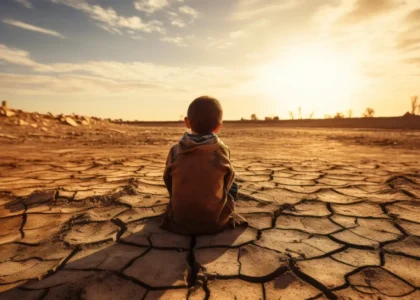
Arid regions are experiencing rising temperatures at nearly twice the global average. Heatwaves are becoming longer and deadlier, making traditional housing designs dangerously insufficient. Without proper insulation, passive cooling, or heat-reducing materials, homes trap heat and become unlivable during peak seasons, putting families — especially children and the elderly — at serious health risk.
2. Water Scarcity Is Reshaping Daily Life
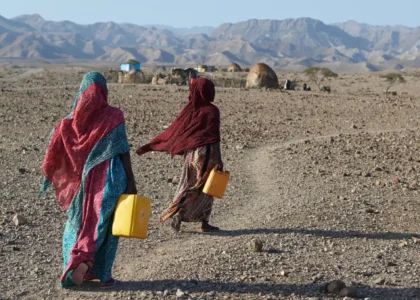
Housing solutions in dry regions must do more than provide shelter — they must support water-smart living. Many communities rely on costly water trucking or limited groundwater supplies, yet most homes are not designed to harvest rainwater, reuse greywater, or minimize consumption. Integrating water-efficient systems into housing design is crucial for long-term survival and stability.
3. Rapid Urban Growth Is Creating New Pressures
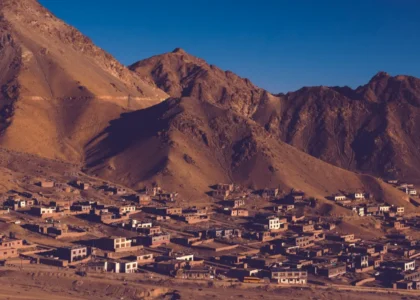
Arid-region cities are among the fastest-growing in the world, driven by population increases, migration, and economic shifting. This growth often leads to informal settlements that lack planning, infrastructure, and climate protection. Without proactive housing strategies, cities risk expanding into unsustainable patterns that worsen vulnerability.
4. Economic Inequality Deepens Climate Risk
Low-income communities are disproportionately affected by extreme heat and water shortages. They often live in low-quality homes made from materials that deteriorate quickly under harsh climates. Affordable, low-carbon, locally sourced materials — combined with community-level planning — can significantly reduce vulnerability while supporting local economies.
5. Housing Is Central to Achieving Global SDGs
Climate-resilient housing intersects with multiple Sustainable Development Goals, including SDG 1 (No Poverty), SDG 6 (Clean Water), SDG 11 (Sustainable Cities), and SDG 13 (Climate Action). Addressing arid-region housing is not just a construction challenge — it is a pathway to stronger, more equitable communities worldwide.
6. Proven Solutions Already Exist — But Need Scaling
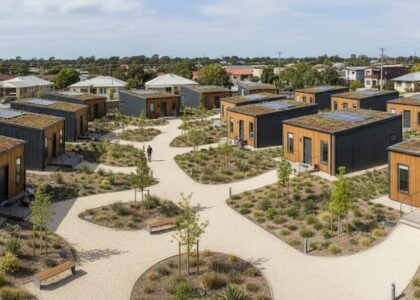
Passive cooling design, insulation suited for hot climates, water-smart systems, and innovative low-carbon materials have shown remarkable success in reducing energy use and enhancing comfort. What’s missing is large-scale adoption, funding, and integration into national policies — especially in countries where climate stress is increasing rapidly.
Conclusion
Arid-region housing is a frontline issue in the global climate resilience agenda. Without urgent action, millions will face escalating risks to their health, livelihoods, and stability. By prioritizing smart design, sustainable materials, and water-efficient systems, we can transform vulnerable communities into models of resilience and future-ready urban development.