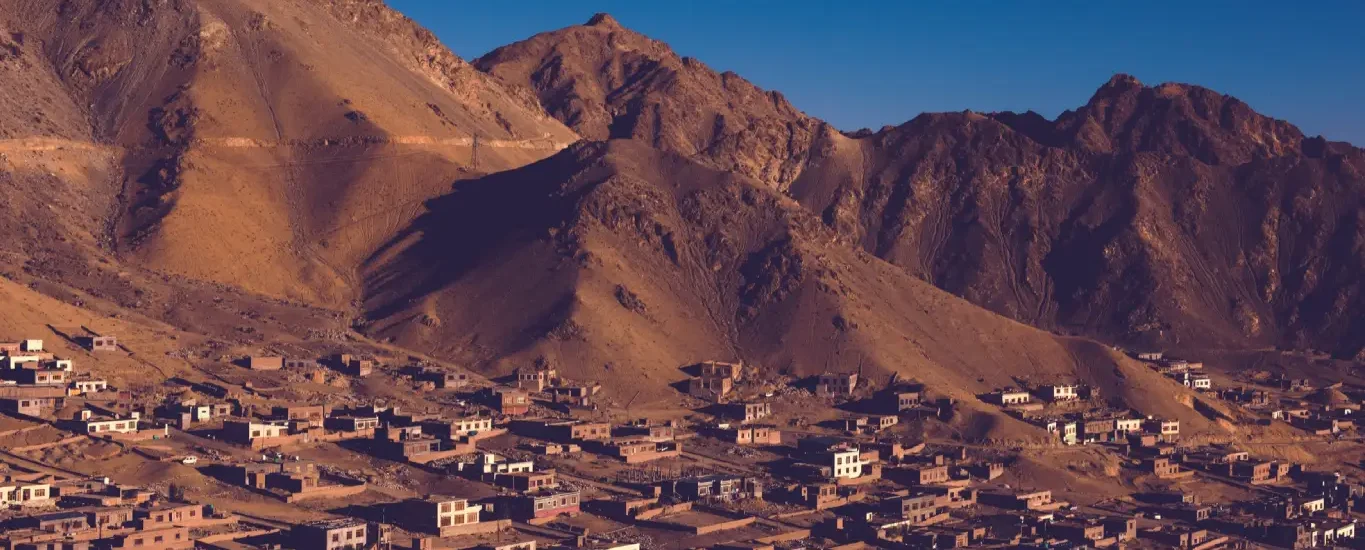
Desert cities are positioned at the frontlines of climate vulnerability, yet they hold immense potential for sustainable development if the right interventions are prioritized. While many governments have committed to the Sustainable Development Goals (SDGs), implementation in arid-region cities often lags behind due to environmental constraints, governance challenges, and limited resources. Understanding these gaps is essential for designing realistic, future-ready strategies.
1. Limited Water Security Planning (SDG 6)
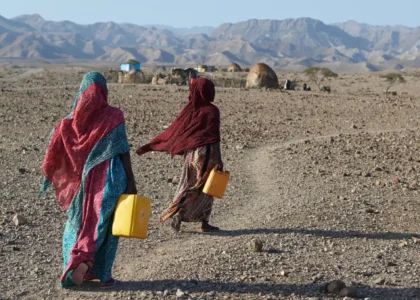
Water scarcity is the defining challenge of desert cities. Despite this, many local SDG plans do not include practical water-efficiency measures such as greywater recycling, aquifer recharge, or smart leak detection. Without a holistic water strategy, communities remain exposed to shortages that undermine health and economic stability.
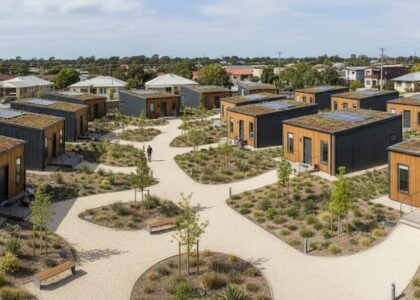
2. Inadequate Climate-Resilient Housing Policies (SDG 11 & SDG 13)
Most desert housing policies still rely on conventional building methods that trap heat, waste energy, and degrade quickly in extreme conditions. Implementation gaps include:
- Lack of passive cooling standards
- Minimal adoption of low-carbon, heat-resistant materials
- Limited incentives for climate-smart housing technologies
As temperatures rise, these gaps put millions at risk.
3. Weak Data Systems for Monitoring SDG Progress
Desert cities often lack accurate data on informal settlements, water use, emissions, mobility, and environmental degradation. Weak data means weak decision-making. Without reliable indicators and monitoring tools, SDG progress becomes difficult to measure — and even harder to improve.
4. Insufficient Integration of Nature-Based Solutions (SDG 15)
Despite their dry landscapes, desert ecosystems can support powerful nature-based solutions such as:
- Restoring native vegetation
- Sand dune stabilization
- Urban greening with drought-tolerant species
However, these are rarely embedded in municipal SDG strategies, leading to missed opportunities for cooling, biodiversity protection, and dust reduction.
5. Governance and Capacity Constraints (SDG 16 & SDG 17)
Many desert city authorities struggle with:
- Limited technical expertise
- Fragmented institutions
- Slow policy implementation
- Weak coordination with national governments
These constraints delay SDG localisation, hinder project execution, and reduce accountability.
6. Slow Adoption of Smart Urban Systems
Digital governance, GIS-based planning, water sensors, and climate dashboards can dramatically strengthen SDG execution — but adoption remains limited. This slows the transition to data-driven, resilient infrastructure systems.
Conclusion
SDG implementation in desert cities faces significant—but solvable—gaps. With targeted investments in water security, resilient housing, smart governance, data systems, and nature-based solutions, desert cities can transform from high-risk environments into global models of climate-smart urban development.